
Compliance Tracking Software: Automate Audit Readiness

Struggling with manual spreadsheets? Learn how barcode-powered compliance tracking software reduces risk, ensures audit readiness, and saves costs.
TOOL TRACKING SOFTWARE SOLUTIONS
Process & Technology Solutions at GigaTrak • Reading Time: 10 mins
Introduction
Compliance tracking is the automated process of monitoring your organization’s adherence to regulatory laws, industry-specific safety standards, and internal quality policies. By utilizing barcode technology, it replaces manual spreadsheet tracking with continuous oversight, enabling real-time risk mitigation, streamlined audits, and the avoidance of costly non-compliance penalties.
Organizations that rely on outdated manual processes often see critical deadlines slip through the cracks, records dissipate, and overall risk exposure skyrocket. Transitioning from chaotic spreadsheets to a dedicated asset tracking system powered by barcode technology allows organizations to develop a robust and secure system of record.
How “Compliance” Varies by Industry
- Legal & Government (Regulatory Compliance): Here, compliance is about “Chain of Custody.” It’s about proving that sensitive documents or evidence haven’t been tampered with and were handled by authorized personnel only.
- Healthcare (HIPAA/Safety Compliance): Compliance is about “Patient Safety and Data Privacy.” It’s ensuring that medical devices are calibrated, serviced on time, and accounted for so that a patient’s care is never compromised by a missing or faulty tool.
- Construction & Industrial (OSHA/Safety Compliance): Compliance is about “Workplace Safety.” It’s proving that tools/machinery are inspected, safe to use, and not overdue for maintenance. If an accident happens, the “compliance” is the digital log that proves the company did its due diligence.
- Publicly Traded Companies (Financial Compliance): Compliance is about “Audit Readiness.” It’s about preventing “ghost assets” and ensuring balance sheets accurately reflect physical inventory to satisfy SEC or financial auditors.
Why Compliance Tracking Matters
Implementing a structured framework for oversight has become a vital security measure; it’s no longer optional but a fundamental pillar for corporate survival. Organizations must prioritize continuous oversight for three foundational reasons:
Key Takeaways: Why Compliance Tracking Matters
- Eliminate Manual Errors: Transition from error-prone spreadsheets to real-time, barcode-verified data.
- Ensure Audit Readiness: Maintain a centralized, tamper-proof chain of custody for all physical assets.
- Reduce Risk & Liability: Proactively schedule maintenance and track document access to stay compliant with industry regulations (e.g., HIPAA).
- Drive Accountability: Automate alerts for control owners to prevent missed deadlines and non-compliance penalties.
When organizations adopt precise operations through advanced asset tracking methods, they shift from a reactive approach—scrambling to fix errors—to a proactive strategy that prevents compliance failures before they occur.
Real-World Operational Examples: Compliance in Action
To grasp how compliance impacts daily operations across various industries, we inspect how businesses leverage barcode technology and advanced asset tracking solutions to meet stringent legal obligations. Here’s how different sectors protect their operations with structural oversight:
1. Document Control and Legal Chain of Custody
In legal firms, financial institutions, and government agencies, maintaining a complete record of sensitive corporate documents is mandated by law. Failing to document who accessed a file and when it left a secure environment diminishes its legal validity.
Real-World Example: A regional law firm implements an advanced barcode asset tracking system rather than relying on manual logs. Every sensitive case file is labeled with a unique barcode, transforming physical records into digital, time-stamped files. When a paralegal retrieves a document, they simply scan the barcode, instantly logging the transaction. This continuous data history enables the firm to pass its annual regulatory privacy audit without missing documents.
2. Jobsite Safety and Equipment Maintenance Protocols
In industrial environments and heavy commercial sectors, safety compliance is strictly regulated. Equipment must undergo scheduled maintenance and inspections. Using uncalibrated tools poses immense liability risks.
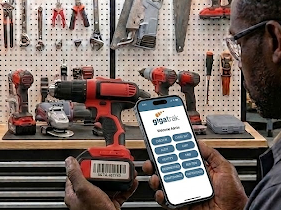
Real-World Example: A commercial electrical contractor operates multiple job sites and uses a centralized tool tracking system featuring barcode technology. The system proactively flags when equipment is due for maintenance, preventing field crew members from using it until it is serviced. This centralized ledger serves as solid evidence of safety compliance during unannounced inspections.
3. Supply Chain Security and Internal Courier Deliveries
Modern mailrooms and logistics networks handle millions of sensitive assets that require strict compliance with regulations like HIPAA. Organizations must ensure that these shipments do not go missing.
Real-World Example: A major healthcare campus handles hundreds of medical supply shipments daily. To comply with medical data laws, the facility employs an internal routing system enhanced by barcode technology. Each incoming package is scanned and logged into a specialized application, tracking it through the facility with automated electronic signatures upon final delivery. This transparent audit log confirms that medical equipment reached its destination securely.
4. Capital Expenditure and Fixed Asset Financial Audits
Publicly traded companies and organizations with federal grants need meticulous balance sheets detailing their physical inventory. Errors in reporting and ghost assets can lead to devastating financial audits.
Real-World Example: Implementing an asset tracking system with barcode technology allows these organizations to manage their inventory accurately, ensuring proper valuations and up-to-date records that withstand financial scrutiny.
By emphasizing the integration of barcode technology in tool and asset tracking solutions, organizations can streamline compliance processes while ensuring regulatory adherence across various sectors. Transitioning to these advanced systems not only mitigates risks but also secures a stronger foundation for corporate accountability and integrity.
Conclusion – Achieving Compliance
Building a secure, audit-ready organization requires moving past disorganized spreadsheets and manual workflows. True operational accountability requires a robust tracking system engineered to turn asset visibility into an unshakeable system of record.
GigaTrak delivers exactly that level of control through its specialized suite of tracking systems. For over 30 years, GigaTrak has been the industry leader in developing robust tracking solutions. We’ve spent three decades helping organizations move from chaotic, manual processes to sophisticated, audit-ready systems. When you choose GigaTrak, you aren’t just buying software—you’re partnering with a team that has perfected the art of operational accountability. Built to replace confusion with absolute clarity, GigaTrak’s asset tracking and tool tracking solutions provide the structural foundation organizations need to meet internal and external compliance standards.
Whether you are managing complex commercial equipment across fluid construction environments, securing an auditable history for critical documents, or tracking internal mail delivery streams, we provide an accessible, point-and-shoot interface that eliminates human error. With highly cost-effective and high-volume barcode applications, GigaTrak allows you to monitor unlimited inventory without unnecessary complications. Protect your operational budgets, optimize equipment maintenance, and maintain absolute audit readiness.
Don’t let manual errors or outdated processes leave your organization vulnerable to audits and penalties. GigaTrak’s asset and tool tracking solutions provide the visibility and control needed to meet even the strictest regulatory standards.
Schedule your free, personalized demonstration today or call our US-based experts at 262-657-5500 to see how we can turn your asset management into your greatest operational asset.
Compliance Tracking Q&A
Q: Why are manual spreadsheets considered a major compliance risk?
A: Manual spreadsheets lack proper data controls, historical logging, and automated version tracking. They are highly susceptible to human error, accidental deletion, and data manipulation. If an auditor asks for verified evidence of past asset allocation or safety maintenance records, an editable spreadsheet fails to provide the tamper-proof chain of custody required to prove compliance.
Q: How does specialized tool management software lower insurance premiums?
A: Insurance companies evaluate risk based on an organization’s internal controls. Utilizing a dedicated tool management application proves that you actively manage risk, limit asset loss, and maintain strict equipment inspection schedules. Showing an insurer that you have an active monitoring program often leads to lower premiums and protects your business from liability claims.
Q: Can field employees use mobile devices to log compliance data?
A: Yes. Modern compliance architectures allow field employees to use smartphone applications as mobile scanning terminals. Field staff can scan an asset’s barcode or identification tag directly from a mobile device to record real-time location changes, log safety checks, or update item conditions right from the field.