
Tag Archive for: on-premise

How To Set Up a Tool Tracking Software System | GigaTrak
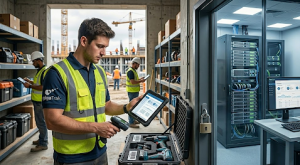
GigaTrak tool tracking software in both Cloud-hosted or on-premise.

Quick Takeaways

  • What is Tool Tracking Software? It is a barcode-based system that monitors the location, assignment, and condition of your physical assets.
  • Why Move Away from Spreadsheets? Manual tracking leads to data entry errors, lost gear, and hours wasted searching for equipment.
  • The Five-Step Setup: Establish your system by auditing tools, choosing durable barcode tags, setting up a database, defining workflows, and training your staff.
  • The GigaTrak Advantage: GigaTrak has provided tool tracking software since 1995. We offer flexible hosting, perpetual licensing, and US-based support. Request a Consultation to secure your inventory today.

The Hidden Cost of “Where Is It?”

Every business relying on physical gear eventually faces the same costly question: “Where did that tool go?”

Missing equipment is a direct hit to your bottom line. When a $500 rotary hammer or a $2,000 diagnostic analyzer disappears, you face compounding losses:

  • Wasted Labor Hours: Technicians search job sites, dig through service vans, or drive to a supplier to buy a duplicate tool.
  • Project Delays: Crew productivity stops when critical machinery is missing. This leads to missed deadlines and damaged client relationships.
  • Frequent Replacements: Businesses repurchase items they already own because finding the lost tool takes too long.

Dedicated tool tracking software solves these issues. By replacing manual tracking with an organized, scan-based system, you protect your investment and hold employees accountable.

GigaTrak has delivered practical, barcode-based tracking solutions since 1995. Trusted by organizations like the FDNY, Lockheed Martin, the US Army, and Virginia Public Schools, we help companies eliminate tool loss.

What is Tool Tracking Software?

Tool tracking software is a specialized platform that monitors the assignment, location, usage history, and maintenance of your physical assets.

Inventory systems track consumable goods that get used up, like nuts and bolts. Tool tracking software tracks rotational assets. These are items that leave the tool crib, go to a job site, and return to your warehouse.

How Tool Tracking Software Protects Your Inventory

This software acts as the single source of truth for your physical operations. It uses barcode scanning and mobile apps to deliver clear operational benefits:

  • Establish Absolute Accountability: You know exactly who checked out a tool, which job site it is on, and when it must return.
  • Monitor Tool Health and Calibration: You can schedule preventative maintenance and track calibration cycles to keep tools safe.
  • Track Costs: You can assign tool usage costs to specific job codes, which helps you calculate precise project margins.
  • Accelerate Warehouse Operations: Tool crib managers can scan and assign dozens of tools to field workers in seconds.

Step-by-Step: How to Set Up a Tool Tracking System

Transitioning to a barcode-driven system is straightforward. Breaking the project into clear phases ensures a smooth rollout with no operational downtime.

Step 1: Audit and Classify Your Assets

You must understand exactly what you are tracking before you buy software or print labels. Conduct a physical audit of all equipment to build your database.

Categorize Your Assets

Group your inventory into three categories to keep your system organized:

  • High-Value Assets (Tier 1): Large, expensive equipment like generators and calibration rigs. These require unique serial number tracking and strict maintenance schedules.
  • Standard Fleet Tools (Tier 2): Everyday drills, saws, and ladders shared across crews. You track these individually by barcode to maintain a daily chain of custody.
  • Consumables (Tier 3): Low-cost items like drill bits and safety glasses that do not return to the warehouse. Keeping a basic record ensures you never run out of supplies.

Define Key Data Fields

Decide what information to store for each tool. Standard databases include the tool name, manufacturer, serial number, unique tool ID, purchase date, and current location.

Step 2: Choose the Right Barcode Tags and Hardware

A software system is only as reliable as the physical barcode labels you use. You must choose hardware that survives tough field conditions.

Selecting Barcode Labels

Paper stickers will not survive a construction site or a damp warehouse. You need durable, industrial-grade labels:

  • Anodized Aluminum Metal Tags: These are best for heavy equipment. They resist extreme temperatures, UV exposure, and physical abuse.
  • Polyester and Vinyl Labels: These work well for hand tools. They use strong adhesives that stick to plastic and metal tool bodies.
  • Pre-Printed vs. On-Demand Labels: Pre-printed tags offer extreme durability and verified barcode sequences. On-demand printers are useful for tagging new tools immediately as they arrive.

Choosing Scanning Hardware

Determine how your team will scan tools daily:

  • Rugged Mobile Terminals: Hand-held scanners built for dusty warehouses. They read damaged labels from several feet away.
  • Smartphones and Tablets: Ideal for field employees. Mobile apps use device cameras to scan barcodes and transfer tool possession on-site.
  • USB and Bluetooth Scanners: Simple scanners connected to a desktop computer in your main tool crib for quick check-out.

Step 3: Establish Your Centralized Database

Configure the logic of your software to match your business infrastructure.

Choose Your Hosting: Cloud vs. On-Premise

Decide where your data will live:

  • Cloud-Based Hosting: Your data is stored on secure, remote servers. This syncs information across multiple offices and mobile field crews.
  • On-Premise Deployment: Your software is installed locally on your own servers. This is ideal for government contractors and companies in remote locations who require absolute data control without recurring fees.

Import Your Data

Do not type hundreds of tools manually. Use standardized CSV or Excel templates to upload your entire tool fleet in a single click.

Step 4: Define Clear Check-In and Check-Out Workflows

A tracking system only works if your team uses it consistently. Create simple, fast workflows:

  1. Scan Out Assets: The warehouse manager scans the employee ID badge, then scans the barcodes on the tools.
  2. Assign to Job: The software pairs the assets to that employee and logs the active job code. This creates an unalterable audit trail.
  3. Perform Field Operations: The employee remains responsible for the tools. Field workers can transfer possession using a mobile app.
  4. Return and Inspect: Tools return to the warehouse. The manager inspects each item and scans it back into the system as available.

Step 5: Train Your Team and Roll Out the System

The technical setup is only half the battle. Human adoption makes the project successful.

  • Explain the Benefits: Explain that tracking software makes their jobs easier. It ensures they have working tools, prevents arguments over lost gear, and saves them from searching for equipment.
  • Start with a Pilot Program: Do not tag thousands of tools on day one. Start with a single crew or your highest-value assets. Refine your process, then scale.
  • Set Clear Expectations: Establish a firm policy that no tool leaves the warehouse without a scan. Consistent accountability makes tracking an effortless habit.

Why Specialized Tool Tracking Software Beats Spreadsheets

Many businesses start tracking tools with basic spreadsheets. Spreadsheets quickly become a bottleneck as your business grows.

Why shouldn’t we use Microsoft Excel or Google Sheets to track our tools?

Spreadsheets are built for static data, not active tracking. Excel cannot handle rapid barcode scanning, cannot alert you when a tool is overdue, and does not maintain a secure history of user ownership.

Spreadsheets are also prone to manual data errors. A single accidental keystroke can delete serial numbers or corrupt your entire list. Specialized software uses database locking and barcode validation to prevent data loss.

How does tool tracking software handle tool maintenance and calibration?

Spreadsheets require you to check dates manually to see if a tool needs servicing. Dedicated software tracks maintenance proactively. You can set automatic alerts based on calendar dates or cumulative usage hours.

The software can block a tool from being checked out if it is overdue for calibration, ensuring your team never uses unsafe gear.

Can tool tracking software integrate with our existing business systems?

Yes. Professional tracking databases sync with your accounting software to pull active job codes. They can also link with human resource databases to import employee records. This connectivity eliminates double data entry and keeps project costs accurate.

Why GigaTrak is the Practical Choice for Your Business

Many tool tracking companies tie you to recurring monthly contracts. They charge you more as your tool inventory grows, forcing your data onto their servers with no local backup options.

GigaTrak operates differently. We believe you should own your software.

GigaTrak vs. Typical SaaS Platforms

Feature GigaTrak Typical SaaS Platforms
Hosting Model On-Premise or Secure Cloud Cloud-Only
Pricing Structure One-Time Perpetual License Available Perpetual Monthly Subscription
Data Ownership Complete Local Database Control Dependent on Vendor Servers
Asset Limits Unlimited Tools, Users, and Locations Tiered Pricing per Asset or User
Data Import Simple Spreadsheet Template Complex, Manual Entry


The GigaTrak Advantage

  • Flexible Hosting Options: Whether you want secure cloud hosting or local database installation, GigaTrak supports your infrastructure. Our on-premise option is ideal for clients requiring offline reliability.
  • One-Time Licensing: GigaTrak offers perpetual software licenses. You buy your software once and own it forever, keeping your operating costs predictable.
  • Designed for Real-World Workflows: Built around barcode scanning, GigaTrak simplifies check-in and check-out processes so your field crew can adopt the system easily.
  • US-Based Support: Our support team is based in the United States, providing direct help when you need it.

Take Control of Your Tools Today

Do not let missing equipment and wasted labor hours eat your profit margins. Implementing a barcode tracking system improves operational efficiency, boosts accountability, and protects your bottom line.

Ready to see how GigaTrak can secure your inventory? Contact our team today to Request a Free Demo.

Contacting GigaTrak:

  • 262-657-5500
  • sales@gigatrak.com


The Complete Guide to Package Tracking for Modern Facilities

blank
The Complete Guide to Package Tracking for Modern Facilities

Reading Time: 10 Minutes

A delivery truck backs up to your loading dock. The driver unloads three pallets of boxes. Your mailroom receiving clerk signs the digital clipboard. The delivery truck leaves. At this exact moment, your organization takes legal and financial responsibility for those packages.

If you manage a corporate headquarters, a university campus, a hospital, or a secure government site, this scenario happens daily. The packages contain critical inventory, legal documents, expensive prototype parts, or personal deliveries.

Yet, many facilities rely on paper logs, Excel spreadsheets, or basic inventory apps to manage this process. When a package goes missing between the loading dock and the employee’s desk, your operations slow down.

Implementing a dedicated system for package tracking solves these internal delivery failures. This guide details how to choose the correct package tracking software for your facility. It also explains why generic inventory tools fail to solve mailroom problems.

The Real Problem: The Last-Mile Delivery Gap

Most people think of shipping as an external process. You order an item, and you receive a tracking number from UPS, FedEx, or DHL. You can see when the package travels across the country.

However, external tracking stops at your receiving door. Once the carrier marks an item as delivered, their job is complete.

Your internal delivery process now begins. This process is the last mile of delivery. Without dedicated package tracking software, this internal journey is a black box.

  • The Front Desk Pileup: Packages accumulate at the reception desk. Staff must manually read labels, type emails, or search for recipients in the company directory.

  • The Missing Signature: A high-value package is delivered to a department. Days later, the recipient claims they never received it. You have no proof of who accepted the delivery.

  • The Broken Chain of Custody: An item moves from the main warehouse to a secondary building. Along the way, there is no record of who handled the package.

These daily delays cause friction. Your employees waste valuable working hours searching for critical materials. Your mailroom staff spends hours answering status inquiries.

How Modern Barcode Technology Bridges the Gap

Solving the last-mile delivery gap requires a shift from manual entry to automated scanning. This is where modern barcode technology plays a crucial role.

Every major shipping carrier uses unique barcode formats to encode shipment data. By implementing a system that understands these layouts, you eliminate the need for manual typing. Your team simply scans the barcode, and the database updates instantly.

This process, known as barcode tracking, transforms your receiving dock. It turns a chaotic stack of boxes into a searchable, digital stream of assets. Instead of typing tracking numbers into spreadsheets, your receiving staff scans the box, identifies the recipient, and moves the package to the next delivery stage within seconds.

Why General Asset Tools and Basic Apps Fall Short

When companies realize they have an internal delivery problem, they often look for quick software solutions. They search for a Sortly alternative or an Asset Panda alternative.

These platforms are designed for tracking fixed assets. They help you inventory laptops, office chairs, and warehouse tools. However, they are not designed for fast-moving mailrooms.

Using a general inventory tool for mailroom operations creates significant operational bottlenecks.

The Limits of a Sortly Alternative in the Mailroom

Sortly is designed for visual inventory tracking. It works well for monitoring stock levels of slow-moving items. However, if you attempt to use it for incoming mail, you will encounter immediate limitations.

  • No Carrier Barcode Parsing: Courier packages feature complex barcodes containing tracking numbers, zip codes, and routing data. A dedicated package system reads this data instantly. A general tool requires manual typing or struggles to recognize the carrier format.

  • Manual Notification Workflows: When a package is logged, you must manually notify the recipient. A true mailroom system automatically sends an email or text message the second the barcode is scanned.

  • No Signature Capture for Delivery: To complete the chain of custody, you need a signature. Basic inventory apps do not support hand-drawn signatures on mobile screens for individual delivery confirmation.

If you are looking for a Sortly alternative to run your receiving dock, you need a system built specifically for high-volume package logging.

The Limits of Competitors

Asset Panda is a customizable platform for managing asset lifecycles. It tracks depreciation, maintenance schedules, and long-term check-outs.

While powerful for IT hardware, it is too complex and slow for a busy mailroom receiving clerk.

  • Too Many Form Fields: Logging a package must take less than five seconds. Asset Panda requires you to fill out extensive asset profiles, which slows down the receiving line.

  • No Route Planning or Batch Deliveries: Mailroom staff often deliver dozens of packages across a campus in one trip. They need a system that groups deliveries by building or floor. Asset Panda does not support these routing workflows.

  • Cloud-Only Constraints: Many facilities require local network installations for security. Asset Panda operates strictly in the cloud.

When searching for an Asset Panda alternative to manage your loading dock, prioritize speed, simplicity, and hosting flexibility.

Legacy Barcode Systems vs. Modern Deployments

Some facilities recognize the need for dedicated mailroom software. They often look for a Wasp alternative to replace legacy systems like Wasp PackageTracker.

Wasp Barcode Technologies has historically provided functional tracking systems. However, many organizations find themselves searching for a Wasp alternative due to shifting licensing models, rigid hosting structures, and high ongoing hardware costs.

When evaluating your options, consider these critical structural differences:

Database Hosting Security

Many modern software companies only offer cloud-based software-as-a-service (SaaS) models. This setup requires your package data, employee names, and delivery records to live on third-party servers.

Defense contractors, municipal utilities, government installations, and secure corporate offices often cannot use the cloud.

You need a partner that offers both cloud and secure on-premise installations. This flexibility ensures your IT department maintains complete control over your database.

Hardware Compatibility and Mobile Scanning

Some software vendors lock you into proprietary handheld scanners and printers. If a device breaks, you must buy an expensive replacement directly from them.

Look for software that supports open hardware standards. Your system should work with rugged Windows mobile devices, Android scanners, iOS tablets, and industry-standard thermal label printers.

Key Features of Dedicated Package Tracking Software

A professional internal tracking system must be fast, accurate, and easy to use. Ensure your chosen system includes these five essential capabilities.

1. Multi-Carrier Barcode Recognition

Your receiving staff should not have to select the carrier manually. The software must automatically recognize whether the scanned barcode belongs to USPS, FedEx, UPS, DHL, or Amazon.

Scanning the existing carrier label should automatically populate the tracking number field. This automation saves hours of manual data entry every week.

2. Custom Barcode Labels and Printing

Some packages arrive with damaged carrier labels. Other shipments consist of loose items, internal documents, or test samples that lack a tracking number.

Your software must integrate with a desktop thermal printer to generate custom barcode labels. This setup lets you print custom internal barcodes instantly. You can stick these durable barcode labels on any unmarked item to track its movement through your facility.

3. Automated Notifications

The second a package is scanned at the loading dock, the system must send an automated email or text message to the recipient.

The notification should include:

  • The name of the sender

  • The carrier tracking number

  • The arrival time

  • The pickup location or delivery instructions

This instant communication reduces inbound phone calls and prevents packages from sitting unclaimed in your mailroom.

4. Mobile Delivery and Signature Capture

Mailroom staff need to take the system with them. A mobile application running on a rugged handheld scanner, phone, or tablet is essential.

When delivering packages across a campus, the clerk can scan the item at the recipient’s desk. The recipient then signs directly on the screen. This digital signature is saved with a time stamp, providing ironclad proof of delivery.

5. Complete Chain of Custody History

If a package is moved to a holding locker, transferred to a secondary mailroom, or marked for redelivery, every event must be logged.

Your barcode tracking system must maintain a permanent historical log of every scan. You should be able to type in a tracking number and instantly see who received the package, who transferred it, and who signed for it.

Comparison: Choosing the Right Tool for the Job

This table highlights why specialized software is necessary for inbound mailrooms.

Feature / Capability General Asset App (Sortly) Enterprise Asset Platform (Asset Panda) Dedicated Package System (GigaTrak)
Primary Design Goal Visual item inventory Asset lifecycle management Inbound mailroom tracking
Carrier Barcode Parsing No No Yes
Instant Recipient Alerts No No Yes
On-Premise Deployment No No Yes
Batch Delivery Routing No No Yes
Signature & Photo Proof Limited No Yes

Trusted Barcode Tracking Since 1995

GigaTrak has developed barcode-based asset and package tracking systems for over 30 years. We understand the daily operational challenges of managing physical inventory.

Our client list includes organizations that demand absolute reliability:

  • The FDNY

  • Lockheed Martin

  • The US Army

  • Virginia Public Schools

We offer complete package tracking solutions. We do not just sell software subscriptions. Instead, we provide the complete package: compatible handheld scanners, durable barcode labels, thermal printers, and the software to run it all.

Our technical support team is based entirely in the United States. When you call our office, you speak directly with a tracking expert who can help you optimize your receiving workflow.

Frequently Asked Questions

Can we run GigaTrak software on our own secure servers?

Yes. GigaTrak offers self-hosted, on-premise software licenses. This installation keeps your package records safe. Your data stays entirely within your secure local network.

Does the software work with standard iOS and Android devices?

Yes. The GigaTrak mobile application runs on standard smartphones and tablets. It also runs on rugged, professional handheld barcode scanners for industrial environments.

What happens if we lose our internet connection?

With our on-premise installation, your local database continues to function normally even if your external internet connection goes down. Your mailroom staff can continue scanning and delivering packages without interruption.

Do you provide the physical barcode labels?

Yes. We offer a wide range of barcode labels, including durable polyester tags that withstand moisture, dirt, and heavy handling.

How long does it take to train our staff on the system?

We design our interfaces for speed and simplicity. A typical receiving clerk can learn to log, route, and deliver packages with less than an hour of training.

Take Control of Your Inbound Deliveries Today

Do not let a disorganized receiving dock slow down your business. Stop wasting time searching for missing boxes, typing manual emails, and disputing delivery claims.

Request a Free Demo with a GigaTrak tracking specialist today. We will analyze your current mailroom setup, discuss your IT security needs, and help you select the exact software deployment and hardware package for your organization.


Contacting GigaTrak:

  • 262-657-5500
  • sales@gigatrak.com